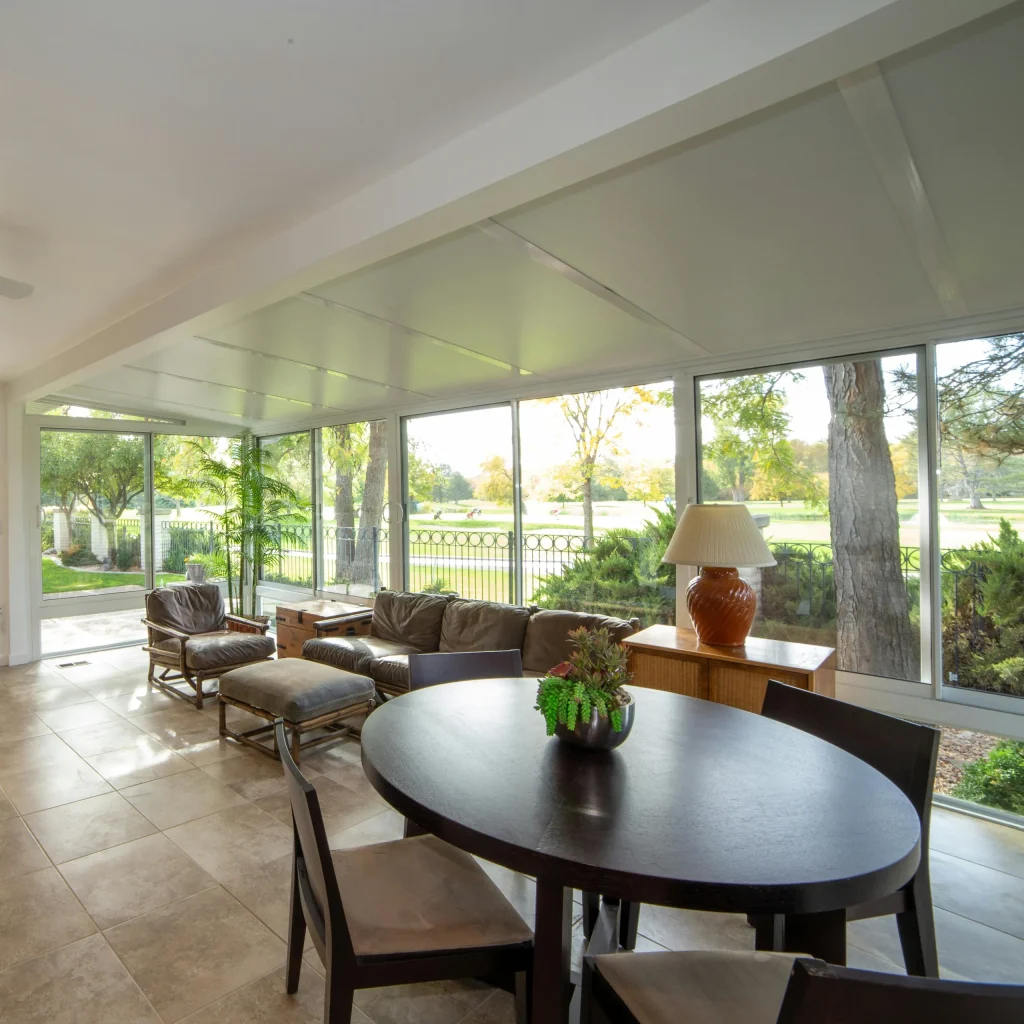
Whether you’re after a brighter dining space, a cosy spot to sit with a brew, or somewhere to spread out as a family, the appeal is obvious.
One of the first questions most homeowners ask (and rightly so) is whether planning permission is needed. The answer is often “no”, but it depends on your property, where the conservatory will sit, and whether there are any local restrictions in place in your part of Sheffield.
In this guide, we’ll explain how the rules work, what tends to catch people out, and how to get certainty before you commit.
Looking for inspiration?
Browse our Conservatories page for styles and ideas:
For many homes, a typical single-storey conservatory can be built under permitted development rules, which means you can often go ahead without submitting a full planning application, as long as you stay within the limits and conditions.
Where the answer changes is usually down to three things:
Sheffield City Council also recommends getting written confirmation (via a Lawful Development Certificate) if you want certainty for your records, especially if you may sell in future.
Planning-wise, conservatories fall under the same rules as other home extensions. That’s why you’ll keep seeing terms like:
One practical point people miss is that if the property has had previous extensions, even those built by a former owner, that can affect what’s still allowed today because the rules look at the total enlargement of the original house.
The full rules can get technical, but most conservatory decisions boil down to a handful of limits. Here are the ones that tend to matter in real life.
A conservatory, like any extension, normally can’t be built forward of the principal elevation, or forward of a side elevation that fronts a highway.
This is why side conservatories and wrap-around designs need a bit more care: depending on how your house sits on the plot, what feels like a “side” build can still count as being too prominent from the street.
A simple way to think about this is that you can’t keep adding buildings until the garden is basically gone. Official guidance explains that only half the area of land around the original house can be covered by extensions or other buildings.
This catches people out when there’s already a previous extension, a detached garage, or larger outbuildings that take up a chunk of that allowance.
For many conservatories, height isn’t a problem until you’re close to a boundary.
Official guidance includes limits such as:
If you’re aiming for a taller, more “extension-like” feel, it’s worth thinking about this early, as it can influence roof shape and how much usable headroom you’ll get.
For a typical single-storey rear build under standard permitted development, the usual depth limits are:
If you want to go larger, there is a separate route that can apply (explained in the next section).
If your plan is for a larger single-storey rear extension (which may include a larger conservatory-style space), you may be able to use the prior approval process rather than a full planning application.
This applies where the extension goes:
It’s worth noting that the local authority will consult adjoining neighbours as part of the process. Additionally, this is not something you do after the fact. It’s a formal notification/assessment you do before work starts.
Even if your conservatory feels “standard”, there are situations where permitted development rights may not apply, or may be restricted.
Permitted development rights that apply to houses generally do not apply to flats and maisonettes, which means you’re far more likely to need planning permission for external changes.
If your property is listed, you may need listed building consent for works that affect its special interest, and you may also need planning permission depending on what you’re proposing.
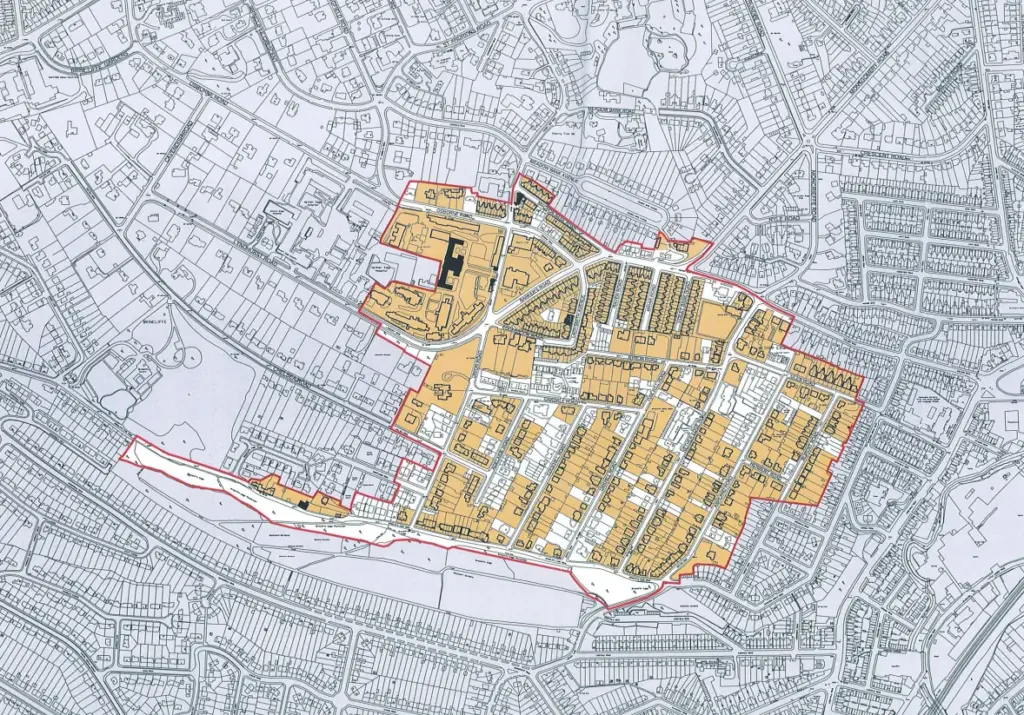
If you’re in a conservation area, you’ll want to be extra careful. Sheffield City Council’s conservation area guidance flags that some properties may have an Article 4 Direction attached, which can remove certain permitted development rights.
NOTE: Sheffield City Council notes an Article 4 Direction was introduced in:
Whilst Article 4 Directions don’t automatically mean “you can’t build”, they do mean you should check carefully because what would normally be permitted development may need permission.
Sometimes permitted development rights are restricted or removed by conditions on past planning permissions. Sheffield City Council explicitly highlights this as something to check.
If you want certainty (and a paper trail), there are two common routes:
Planning Portal’s conservatory guidance guide is recommended by a number of local councils and is a good starting point for understanding the national rules and definitions.
If you want written confirmation that your conservatory is lawful and doesn’t need planning permission, Sheffield City Council recommends applying for a Lawful Development Certificate. If granted, it can be helpful for future buyers and solicitors when you come to sell.
It’s a common misconception that “no planning permission” means “no rules”. Even where planning permission isn’t needed, building regulations can still apply.
Conservatories are normally exempt from building regulations when they meet conditions including:
If you’re planning to remove the separating doors/walls to create an open-plan space, it’s especially important to get proper advice because that can change the position on building regulations, even if planning isn’t the issue.
From a planning point of view, it’s usually less about “Victorian vs Edwardian” and more about size, height, and position. But in practical terms most styles can be built within the framework:
Often the easiest to keep within standard limits because they’re simple and usually lower-profile.
Can feel more like a traditional extension, which some homeowners prefer for year-round comfort, but they still need to sit within the same planning framework.
These classic period styles are usually within the limits, but the roof shape can affect the overall height.
Planning permission is something that many homeowners will only deal with a handful of times, whereas our team work day-in, day-out, within the framework. Let us help you get off to the right start.
Simply fill out the contact form or reach us using the details below:
Telephone: 07846 291 832 or 07791 807 298
Email: John@kcainstallations.co.uk