
The good news is that most window condensation isn’t a “your windows are broken” problem. It’s usually just a case of warm, moisture-laden air meeting a cold surface. That being said, there are times when condensation is a clear sign that a sealed unit has failed and needs replacing.
This guide explains what’s happening, what you can do about it, and when it’s worth looking at repairs or replacement.
Before you can tackle any underlying issues, it’s important to identify where the the condensation is actually settling. Knowing this not only indicates what action you need to take, but also whether there’s even a problem to begin with.
This is the most common type. It happens when the air inside your home is humid and the glass (or frame) is cold enough for moisture to form.
You’ll usually notice it first thing in the morning, in bedrooms where the windows have been shut overnight and after showers, cooking, or drying clothes indoors.

This can look worrying at first, but it’s often a sign that the window is doing a decent job. If the glass is well insulated, less heat escapes from inside, so the outer pane can stay cold and collect condensation, especially on crisp Yorkshire mornings.
If it clears as the day warms up, it’s generally nothing to worry about.
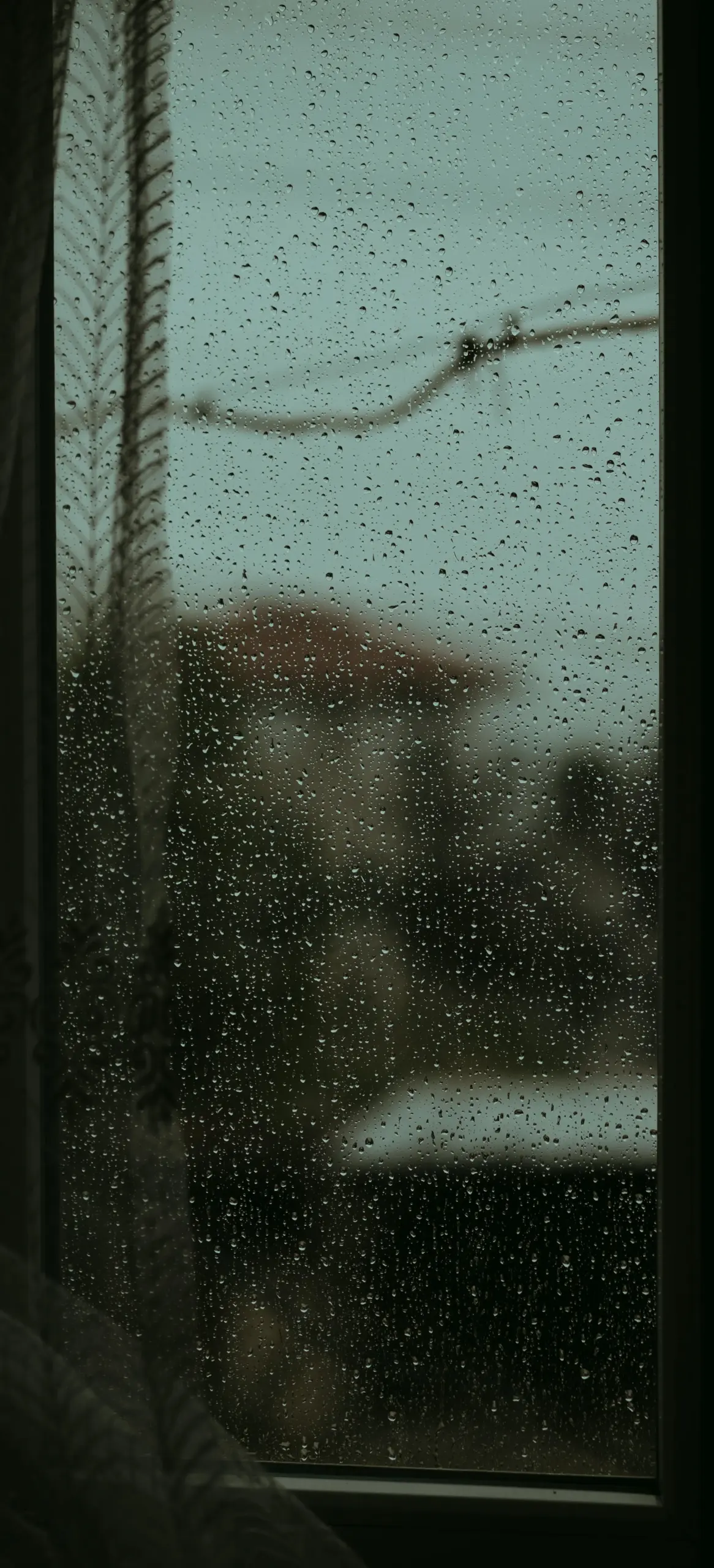
This one matters. If you’re seeing fogging or droplets inside the double-glazed unit, it usually means the sealed unit has failed and moisture is getting in.
In many cases you can replace the sealed unit (the glass) without replacing the whole frame, but it depends on the condition of the window.
If you want a quick overview of what that means for heat loss as well, have a look at our post on energy bills and reducing heat loss in Sheffield homes.

Condensation is about moisture + temperature.
Everyday life creates water vapour. A typical household adds moisture to the air just by living in it: cooking, showering, making a brew, breathing and even keeping houseplants.
If that moisture can’t escape, it settles on the coldest surfaces first, such as glass, window frames (especially around edges), in the coldest corners of rooms and behind furniture.
You’ll usually see worse condensation when:
You don’t need to do everything at once. Start with the changes that are easiest to keep consistent.
Use extractor fans every time you shower or cook, and leave them running a little longer afterwards.
Open a window for 5 or 10 minutes after a bath or shower if you don’t have strong extraction.
Keep internal doors closed while cooking/showering to stop moisture spreading through the house, then ventilate that room properly.
If your windows have trickle vents, use them as intended. They’re there to provide background ventilation so moisture doesn’t build up.
Put lids on pans when cooking.
Avoid drying clothes on radiators. If you have to dry indoors, use a dehumidifier and open a window slightly.
Don’t block air-bricks or vents.
If you have a tumble dryer, make sure it’s venting correctly or that the condenser is properly maintained.
Windows will always be colder than your room air.
But sudden bursts of heating can push humidity up quickly and create more condensation.
Maintaining a steadier temperature helps more than short, high blasts.
If condensation is frequent, you can end up with mould on seals, reveals, and the bottom corners of frames.
Wiping it down is fine as a short-term step, but recurring mould usually means the moisture is still there. If you’re cleaning mould:
If mould keeps returning quickly, it’s worth getting advice, because there may be further underlying issues.
If you’re seeing damp patches around window reveals or upstairs ceilings near external walls, it’s not always caused by condensation. Leaking gutters or failing soffits and fascias can let water soak into the brickwork, which then makes rooms harder to heat and more prone to condensation.
If you suspect that might be part of the picture, our FAQ on soffits and fascias is a useful starting point.
If the space between your window panes is becoming misted then it’s time to consider replacing the sealed unit (just the glass) or even the full window.
Replacing the sealed unit is often the right fix when there is misting or droplets between panes, the window frame is still in good condition and locks, hinges and seals are sound or easily refreshed. This is often more cost-effective than full replacement, and it restores insulation where the unit has failed.
However, a full window installation is worth considering when:
It’s a good idea to get advice if:
If you’d like our dedicated team to take a look for you, simply fill out the contact form or reach us using the details below:
Telephone: 07846 291 832 or 07791 807 298
Email: John@kcainstallations.co.uk
Yes. The colder it is outside, the colder your glass gets, so moist indoor air hits its dew point faster.
Not usually. If it clears during the day, it can actually indicate good insulation.
Often, yes. If the frame is sound and it’s a failed sealed unit, replacing the unit can restore performance without replacing the whole window.
They can help a lot, especially in bedrooms and when drying clothes indoors. They work best alongside proper ventilation.